
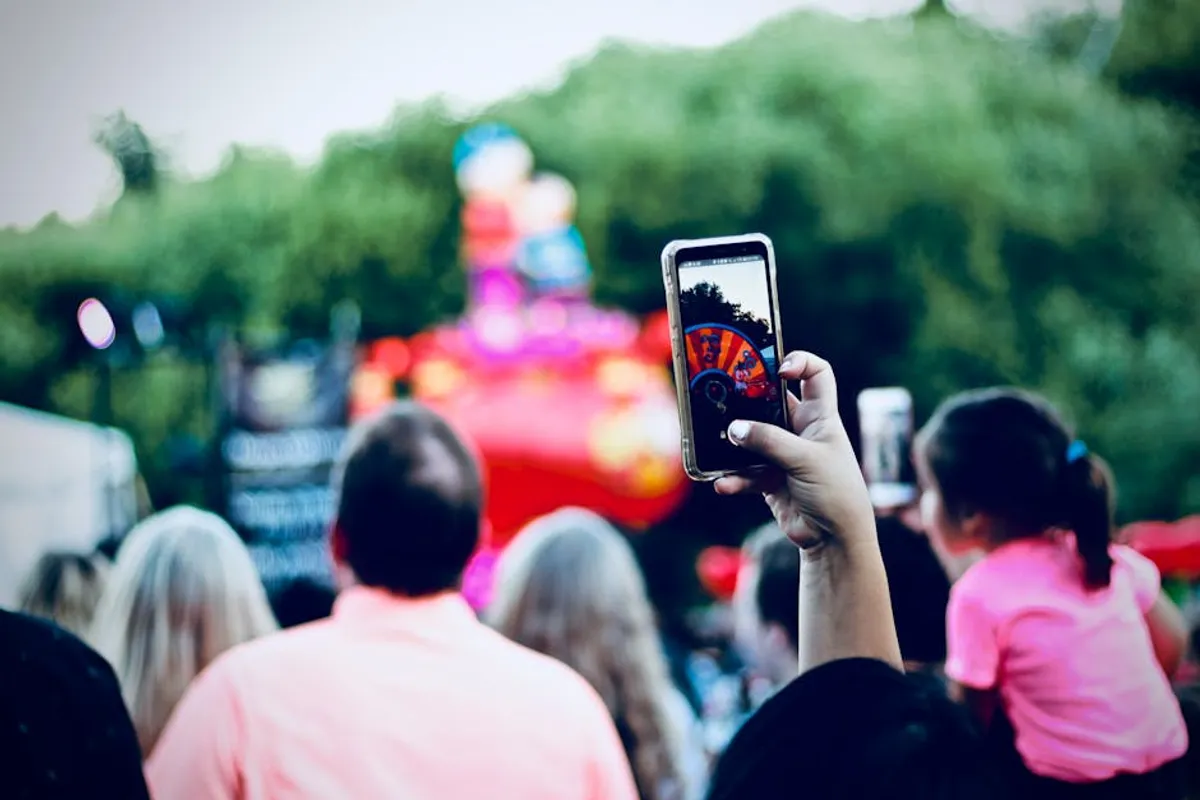
For Persian media outlets, effectively covering and engaging with cultural festivals presents a unique set of challenges and opportunities. These events, rich in history, art, and community, require more than just standard reporting; they demand cultural sensitivity, linguistic precision, and an understanding of nuanced audience preferences across various Persian-speaking regions and diaspora communities. Selecting the right "guide"—whether it's a content platform, a specialized service, or an analytical tool—is critical for media organizations looking to deepen their coverage, expand their reach, and resonate authentically with their readership or viewership. The decision hinges on specific editorial needs, technical capabilities, and the target demographic's cultural context, ensuring that festival narratives are not just reported, but truly experienced.
Key Considerations for Selecting a Cultural Festival Guide
When evaluating solutions for cultural festival coverage within Persian media, several factors dictate long-term utility and impact. First, prioritize linguistic accuracy and cultural nuance. Machine translation often falls short in conveying the poetic depth or historical significance inherent in Persian cultural expressions. Look for services that employ native speakers or cultural experts. Second, assess the breadth and depth of content coverage. Does the guide offer access to a wide array of festivals, from major international events to smaller, local celebrations? Is the information detailed enough to form the basis of compelling stories? Third, consider technical integration and usability. A guide that can seamlessly feed into existing content management systems or offer API access will save significant editorial time. Fourth, examine audience insights. Can the platform help identify trending topics, audience demographics, or preferred content formats within the Persian-speaking community? Finally, evaluate the scalability and support. As your media outlet grows, will the guide continue to meet evolving demands, and is reliable support available in relevant time zones and languages?
1. Persian Arts & Culture Wire
This type of service functions as a dedicated news and content syndication platform, specifically curated for Persian cultural events and artistic endeavors. It aggregates press releases, feature stories, interviews, and multimedia assets directly from festival organizers, artists, and cultural institutions, translating and contextualizing them for a Persian-speaking audience. The wire ensures that media outlets receive pre-vetted, culturally appropriate content ready for publication, reducing the need for extensive in-house research and translation efforts. Its value lies in providing a centralized, reliable source for diverse cultural narratives, often including exclusive content or early access to announcements.
Best for: Media outlets seeking a consistent supply of high-quality, culturally relevant content for immediate publication or as a foundation for original reporting, particularly those with limited internal resources for cultural beat coverage.
Pros:
- Provides pre-translated and culturally contextualized content, saving editorial time and ensuring accuracy.
- Offers a wide range of content formats, including text, images, and sometimes video or audio clips.
- Acts as a single point of contact for numerous festival organizers and cultural entities, streamlining content acquisition.
- Can include embargoed content, providing an edge in timely reporting.
Cons:
- Content may lack exclusivity if syndicated widely, requiring additional original angles from the media outlet.
- Reliance on external sources means editorial control over initial framing might be limited.
- Subscription costs can be a barrier for smaller, independent media organizations.
Verdict: An essential resource for maintaining robust cultural coverage with efficiency, particularly valuable for news desks needing to cover a broad spectrum of Persian cultural festivals without extensive dedicated staff.
2. Global Heritage Event Calendar
This guide offers a comprehensive, searchable database of cultural festivals and heritage events worldwide, with a strong emphasis on those relevant to Persian culture or featuring Persian artists and themes. It goes beyond simple dates and locations, providing organizer contacts, brief event descriptions, historical context, and often, links to official event pages. The platform is designed to help media identify upcoming events, plan coverage schedules, and discover lesser-known festivals that might offer unique storytelling opportunities. Its utility is in its organizational capacity and its ability to surface relevant events across geographical boundaries.
Best for: Media organizations focused on forward planning, discovering niche cultural events, and compiling comprehensive event listings or "what's on" features for their audience.
Pros:
- Centralized database reduces research time for upcoming events.
- Filters and search functions allow for precise targeting of specific cultural themes, regions, or dates.
- Can include details like participant lists, venue information, and historical significance, enriching potential stories.
- Supports long-term editorial planning and content scheduling.
Cons:
- Information might not always be updated in real-time by event organizers, requiring verification.
- Coverage depth can vary significantly between major and minor festivals.
- Does not provide ready-to-publish content, only event data.
Verdict: Indispensable for editorial teams that prioritize proactive planning and comprehensive event tracking, offering a structured approach to identifying and scheduling cultural festival coverage.
3. Farsi Content Localization Studio
This service specializes in adapting general cultural festival content—such as promotional materials, artist biographies, or academic papers—into nuanced, culturally resonant Farsi for various Persian-speaking audiences. Beyond direct translation, it involves transcreation, ensuring that idioms, cultural references, and emotional tones are accurately conveyed and understood. The studio employs native Farsi speakers with expertise in cultural studies, ensuring that the localized content not only reads naturally but also respects and reflects the specific cultural context of the target audience, whether in Iran, Afghanistan, Tajikistan, or diaspora communities.
Best for: Media outlets that receive content in other languages and need to localize it authentically for their Persian audience, or those producing content for specific regional Persian dialects.
Pros:
- Ensures high linguistic accuracy and cultural appropriateness, avoiding misinterpretations.
- Handles complex cultural references and nuances, which machine translation often fails to capture.
- Can adapt content for specific Farsi dialects (e.g., Dari, Tajik), broadening audience reach.
- Offers a professional polish to all translated materials, enhancing media credibility.
Cons:
- Can be more time-consuming and expensive than automated translation services.
- Requires clear communication of the target audience and cultural context for optimal results.
- Turnaround times may vary based on content complexity and volume.
Verdict: A crucial partner for media aiming for deep, authentic engagement with Persian-speaking audiences, particularly when dealing with sensitive or highly contextual cultural narratives.
4. Audience Insight for Diaspora Media
This guide provides analytical tools and reports specifically tailored to understanding the consumption patterns and preferences of Persian-speaking diaspora communities regarding cultural content. It tracks engagement with cultural festivals, preferred media formats (e.g., video, podcast, long-form text), and emerging topics of interest. The service leverages social media listening, web analytics, and demographic data to offer actionable insights that help media outlets tailor their festival coverage to resonate more strongly with specific diaspora groups, optimizing content strategy for maximum impact and relevance.
Best for: Media organizations targeting Persian diaspora communities, seeking to understand and cater to their unique cultural interests and media consumption habits.
Pros:
- Offers granular data on diaspora audience engagement with cultural content.
- Identifies trending cultural topics and preferred content formats within specific communities.
- Helps optimize content distribution channels and timing for maximum reach.
- Provides competitive intelligence on how other outlets cover similar cultural events.
Cons:
- Data collection can be complex and may require integrating with existing analytics platforms.
- Insights are only as good as the data sources, which can sometimes be limited for niche diaspora groups.
- Requires analytical expertise to interpret reports and translate them into actionable strategies.
Verdict: Essential for media outlets looking to move beyond general assumptions and make data-driven decisions about their cultural festival coverage for a globally dispersed audience.
5. Cultural Sentiment Analytics
This service employs natural language processing (NLP) and machine learning algorithms trained on Farsi to analyze public sentiment around cultural festivals and related topics across social media, forums, and news sites. It identifies positive, negative, and neutral mentions, tracks key themes and personalities, and detects shifts in public opinion. For Persian media, this tool offers a real-time pulse on how festivals are perceived, highlighting controversies, popular moments, or areas requiring more nuanced reporting, allowing for responsive and relevant coverage.
Best for: Media outlets needing to monitor public perception, identify emerging narratives, and gauge the emotional resonance of cultural festivals among their Persian-speaking audience.
Pros:
- Provides real-time insights into public opinion and emotional responses to festivals.
- Helps identify potential controversies or overwhelmingly positive moments for focused reporting.
- Can track the impact of media coverage on public sentiment.
- Automates the analysis of large volumes of Farsi text data.
Cons:
- NLP accuracy for Farsi, especially with colloquialisms or poetic language, can sometimes be challenging.
- Distinguishing genuine sentiment from sarcasm or irony requires sophisticated algorithms.
- Requires careful interpretation of data to avoid misrepresenting public mood.
Verdict: A powerful tool for responsive journalism, enabling media to understand and react to the evolving social conversation around cultural festivals, enhancing relevance and engagement.
6. Digital Archive & Rights Management for Heritage
This guide offers a secure platform for cultural institutions and media to archive, manage, and license digital assets related to Persian cultural festivals—historical photographs, performance recordings, interviews, and scholarly articles. It includes features for metadata tagging in Farsi, digital rights management (DRM), and controlled access. For Persian media, this means a reliable source for high-quality, rights-cleared historical and contemporary multimedia content, crucial for enriching festival coverage with context, historical depth, and visual appeal, while ensuring compliance with intellectual property laws.
Best for: Media requiring access to authenticated, rights-managed historical and contemporary multimedia content to enhance their cultural festival reporting and provide rich context.
Pros:
- Provides access to a curated collection of high-quality, rights-cleared multimedia assets.
- Ensures legal compliance for content usage through robust DRM features.
- Metadata tagging in Farsi improves searchability and contextual understanding.
- Offers a secure repository for valuable cultural heritage assets.
Cons:
- Access can be subscription-based or transactional, adding to content costs.
- The breadth of content depends on the partnerships and digitization efforts of the platform provider.
- Integration with existing CMS might require custom development.
Verdict: An invaluable resource for media committed to factual accuracy and historical depth, providing the necessary visual and auditory elements to bring cultural festival stories to life responsibly.
7. Niche Influencer Engagement Platform
This platform connects Persian media outlets with influencers, cultural commentators, and community leaders who have significant followings within specific Persian cultural niches. It facilitates collaborations for festival coverage, such as co-creating content, conducting interviews, or promoting media narratives through influencer channels. The service focuses on authentic engagement, matching media with influencers whose audience demographics and interests align precisely with the cultural festival themes, ensuring that promotional efforts and content distribution reach the most receptive segments of the Persian-speaking population.
Best for: Media seeking to amplify their cultural festival content through trusted voices within specific Persian-speaking communities and reach highly engaged niche audiences.
Pros:
- Facilitates direct connections with relevant cultural influencers and community leaders.
- Enables authentic content amplification and distribution within niche Persian communities.
- Can lead to higher engagement rates due to the trusted nature of influencer recommendations.
- Provides metrics on influencer reach and engagement for campaign evaluation.
Cons:
- Identifying truly authentic and effective influencers requires careful vetting.
- Campaign costs can vary significantly depending on influencer reach and engagement.
- Managing multiple influencer collaborations can be administratively intensive.
Verdict: A strategic tool for expanding the reach and impact of cultural festival coverage, leveraging the credibility of established voices within Persian cultural circles.
8. Interactive Cultural Storytelling Lab
This guide offers services for developing interactive digital experiences around cultural festivals, such as virtual tours, augmented reality (AR) overlays for historical sites, or interactive timelines of festival traditions. It leverages multimedia, gaming elements, and user participation to create immersive narratives. For Persian media, this means the ability to transform traditional festival reporting into engaging, experiential content that captivates younger audiences and offers a deeper, more personal connection to cultural heritage, moving beyond static text and images.
Best for: Media outlets aiming to innovate their cultural festival coverage through immersive, interactive digital experiences that appeal to a tech-savvy audience.
Pros:
- Creates highly engaging and memorable content experiences for cultural festivals.
- Attracts younger demographics and increases dwell time on media platforms.
- Offers unique sponsorship opportunities within interactive content.
- Positions the media outlet as an innovator in cultural reporting.
Cons:
- Development costs for interactive experiences can be substantial.
- Requires specialized technical expertise and creative vision.
- Content updates and maintenance for interactive elements can be complex.
Verdict: A forward-thinking solution for media seeking to redefine cultural festival coverage, offering unparalleled engagement through cutting-edge digital storytelling.
9. Media Relations for MENA Festivals
This service specializes in public relations and media outreach specifically for cultural festivals originating from or relevant to the Middle East and North Africa (MENA) region, with a strong focus on Persian cultural events. It acts as an intermediary, connecting festival organizers with Persian media outlets, crafting culturally appropriate press kits, and facilitating interviews. The guide ensures that festival narratives are effectively pitched and distributed to the right media contacts, maximizing coverage and ensuring that key messages reach the intended Persian-speaking audiences efficiently and accurately.
Best for: Media outlets looking for direct access to festival organizers, exclusive interviews, and well-structured press materials from MENA cultural events, particularly those with a Persian focus.
Pros:
- Provides direct access to festival organizers and key personalities.
- Offers pre-packaged, culturally sensitive press materials, saving research time.
- Facilitates exclusive interview opportunities and media access.
- Ensures accurate and timely dissemination of festival news and updates.
Cons:
- Reliance on the PR firm's network and relationships.
- Coverage may sometimes feel promotional rather than purely editorial.
- Service fees can be a consideration for smaller media operations.
Verdict: Streamlines the process of acquiring information and access for MENA cultural festivals, making it easier for Persian media to produce informed and timely coverage.
10. Visual Data for Cultural Narratives
This guide transforms complex cultural data—such as historical timelines of festivals, demographic participation trends, or economic impact figures—into compelling infographics, data visualizations, and interactive maps tailored for Persian media. It employs designers and data scientists who understand cultural contexts and Farsi typography. The service helps media outlets present quantitative information about cultural festivals in an accessible, engaging, and shareable format, enhancing the explanatory power of their reporting and making complex subjects understandable to a broader audience.
Best for: Media seeking to enhance their cultural festival reporting with clear, impactful visual data, making complex information accessible and shareable for their Persian audience.
Pros:
- Translates complex data into easily digestible and shareable visual formats.
- Enhances the authority and credibility of cultural reporting.
- Can increase engagement on social media and other digital platforms.
- Custom designs incorporating Farsi script and cultural aesthetics.
Cons:
- Requires accurate and reliable underlying data, which may not always be readily available.
- Design and development costs can be significant for custom visualizations.
- Iterative feedback cycles are often necessary to achieve desired visual outcomes.
Verdict: An effective solution for elevating cultural festival coverage by integrating data-driven insights with strong visual communication, appealing to a visually-oriented audience.
11. Podcast Production for Heritage Themes
This service specializes in creating high-quality audio content, specifically podcasts, focused on Persian cultural festivals and heritage themes. It offers end-to-end production, including scriptwriting, voice acting (in Farsi), sound design, and distribution support. For Persian media, this guide enables the expansion into audio journalism, providing an intimate and accessible format for storytelling that can reach audiences on the go or those who prefer auditory learning. It allows for in-depth interviews, historical narratives, and immersive soundscapes that capture the essence of cultural celebrations.
Best for: Media outlets looking to diversify their content offerings into audio, providing in-depth, immersive storytelling about cultural festivals for their Persian-speaking audience.
Pros:
- Opens up a new, highly engaging content format for cultural festival coverage.
- Allows for in-depth storytelling and intimate interviews that resonate with listeners.
- Accessible to audiences on the go, expanding reach beyond traditional platforms.
- Professional production quality enhances the media outlet's brand image.
Cons:
- Production can be time-consuming and requires specialized audio expertise.
- Distribution and audience building for podcasts require dedicated marketing efforts.
- Measuring direct impact and ROI can be more challenging than for text or video.
Verdict: A strategic investment for media seeking to capture the growing podcast audience, offering a unique and personal way to connect audiences with cultural heritage.
12. Virtual Festival Experience Platform
This guide provides a comprehensive platform for hosting, streaming, and managing virtual or hybrid cultural festivals, with features tailored for Persian cultural contexts. It includes options for multi-language streaming (including Farsi), interactive audience engagement tools, virtual exhibition spaces, and culturally sensitive design templates. For Persian media, this platform offers a direct means to partner with or cover festivals that are entirely online, or to create complementary virtual experiences for physical events, extending their reach globally and allowing for deeper, interactive engagement with remote audiences.
Best for: Media outlets looking to host, co-host, or provide comprehensive virtual coverage of cultural festivals, extending their reach to a global Persian-speaking audience.
Pros:
- Enables global reach for cultural festival coverage, transcending geographical barriers.
- Offers interactive features that increase audience engagement beyond passive viewing.
- Provides a robust infrastructure for high-quality live streaming and on-demand content.
- Can generate new revenue streams through virtual event partnerships or sponsorships.
Cons:
- Requires significant technical setup and ongoing management.
- Can be costly,



