
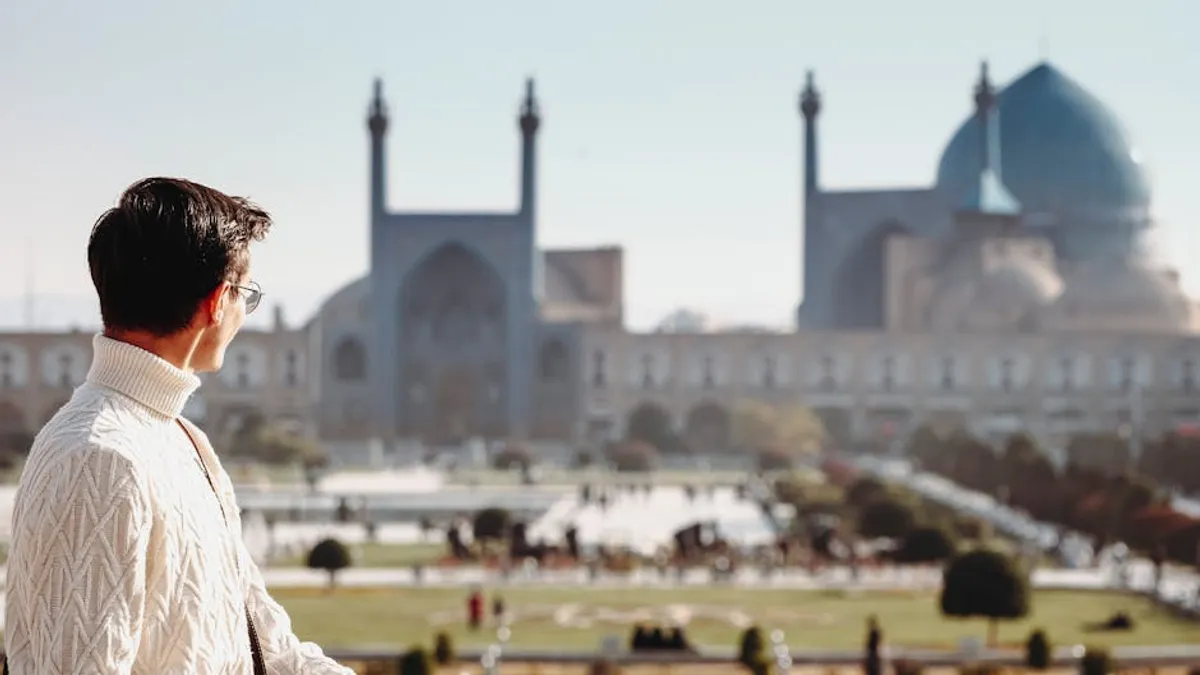
Venturing into Iran offers a profound cultural immersion, distinct from many other global travel experiences. This guide prepares visitors for the practicalities and nuances of exploring a nation rich in ancient history, intricate art, and deeply rooted traditions. Understanding the specific entry requirements, local customs, and logistical considerations is paramount for a respectful and rewarding journey. Understanding the specific entry requirements, local customs and logistical considerations is paramount for a respectful and rewarding journey.
Navigating Entry and Visa Formalities
Securing the correct visa is the first critical step for any visitor to Iran. The process varies significantly based on nationality, so early preparation is essential.
Visa Application Process
Most foreign nationals require a tourist visa, which typically necessitates an invitation letter or authorization code from an Iranian travel agency. This code is then used to apply for the visa at an Iranian embassy or consulate in your home country, or in some cases, for a visa on arrival (VOA) at major international airports like Imam Khomeini International Airport (IKA) in Tehran.
Required Documents often include:
- Passport valid for at least six months beyond your intended stay.
- Two recent passport-sized photos (women often need to wear a headscarf in the photo).
- Completed visa application form.
- Proof of travel insurance covering Iran.
- Hotel reservations or an invitation letter.
- Authorization code (obtained via an authorized Iranian tour operator).
Citizens of the United States, United Kingdom, and Canada face stricter regulations, typically requiring a guided tour and an approved itinerary for the entire duration of their stay. Visas for these nationalities are generally not issued on arrival.
Understanding Iranian Cultural Etiquette
Iran's rich cultural landscape is governed by specific social norms that visitors should observe to ensure respectful interactions and a positive experience.
Dress Code and Public Conduct
Modest dress is mandatory for both men and women in public spaces. Women must wear a headscarf (hijab) covering their hair and neck, along with loose-fitting clothing that conceals the body's contours, such as a long tunic or coat extending to mid-thigh or knee. Men should avoid shorts or sleeveless tops. Public displays of affection are not permitted, and consuming alcohol is illegal.
The Art of Taarof
Taarof is a complex system of Persian etiquette involving elaborate politeness and deference. It often manifests as an initial refusal of an offer (e.g., a shopkeeper offering a discount, or a host offering food), which is expected to be politely declined once or twice before accepting. Similarly, when paying, a vendor might initially refuse payment as a gesture of hospitality. Understanding when to insist on paying or accepting an offer requires careful observation and patience.
Pro Tip: When engaging in Taarof, observe local cues. If an offer is repeated two or three times, it is generally sincere and can be accepted. Conversely, if you are offering payment and it's refused multiple times, insist politely but firmly, as genuine hospitality often means the first refusal is not literal.
Managing Finances: Cash is King
Due to international sanctions, foreign credit and debit cards are generally not accepted in Iran. This makes cash the primary medium of exchange for all transactions.
Currency Exchange and Denominations
Iran's official currency is the Iranian Rial (IRR), but prices are almost universally quoted in Toman. One Toman equals 10 Rials. Always clarify whether a price is in Rials or Toman to avoid confusion. It is advisable to carry sufficient Euros or US Dollars in cash, which can be exchanged at official exchange offices (Sarrafi) or banks. Avoid unofficial street money changers. Consider using a tourist debit card from an Iranian bank, which can be loaded with foreign currency upon arrival and used for local purchases.
Exploring Key Destinations and Experiences
Iran offers a diverse array of historical, architectural, and natural wonders.
Iconic Cities and Sites
- Isfahan: Home to Naqsh-e Jahan Square, a UNESCO World Heritage site featuring the Imam Mosque, Sheikh Lotfollah Mosque, Ali Qapu Palace, and the Qeysarie Gate leading to the Grand Bazaar.
- Shiraz: Known for its gardens, poetry, and proximity to Persepolis, the ceremonial capital of the Achaemenid Empire. Other highlights include the Nasir al-Mulk Mosque (Pink Mosque) and the tombs of Hafez and Saadi.
- Tehran: The bustling capital city, offering the Golestan Palace, National Museum of Iran, Grand Bazaar, and the Azadi Tower.
- Yazd: A desert city famed for its unique traditional architecture, wind towers (badgirs), and Zoroastrian fire temples.
Culinary and Social Experiences
Engage with local culture through its cuisine. Sample traditional dishes like Chelow Kebab, Ghormeh Sabzi, and Ash-e Reshteh. Visit traditional tea houses (chai khaneh) for a taste of local hospitality and social interaction. Exploring local bazaars provides insight into daily life and opportunities to purchase handicrafts, spices, and carpets.
Transportation Within Iran
Traveling between cities and within urban areas is generally efficient and affordable.
Inter-city Travel
Long-distance buses are comfortable, frequent, and economical. Trains offer a more relaxed journey, especially for longer routes. Domestic flights connect major cities quickly, though booking in advance is recommended.
Intra-city Movement
Taxis are widely available in cities, and ride-hailing apps like Snapp (similar to Uber) are popular and convenient. Tehran also boasts an extensive metro system, which is an efficient way to navigate the capital.
Safety and Health Considerations
Iran is generally considered a safe country for tourists, with low crime rates. However, standard travel precautions should always be observed.
Ensure you have comprehensive travel insurance that covers medical emergencies and evacuation. Tap water is generally safe to drink in major cities, but bottled water is readily available. Be mindful of food hygiene, especially when trying street food. Consult your doctor for recommended vaccinations before travel.
Preparing for a Meaningful Journey
A trip to Iran offers unparalleled cultural depth and historical insight. By understanding and respecting local customs, managing financial practicalities, and preparing for the unique aspects of travel in the region, visitors can ensure a smooth and enriching experience. Embrace the hospitality, engage with the history, and allow for flexibility in your plans to fully appreciate the intricacies of this ancient land.
Frequently Asked Questions
Is it safe for women to travel alone in Iran?
Yes, Iran is generally safe for solo female travelers. Women are expected to adhere to the dress code and cultural norms, but they typically encounter warmth and hospitality. Using registered taxis or ride-hailing apps is advised for intra-city travel.
Can I use my smartphone and internet in Iran?
Yes, local SIM cards are easily available at airports and official stores, providing access to mobile data. Wi-Fi is available in most hotels and guesthouses, though internet speeds can vary. Note that some social media platforms and news sites are blocked, requiring a VPN for access.
What is the best time of year to visit Iran?
The spring (March to May) and autumn (September to November) offer the most pleasant weather for sightseeing across most of the country, avoiding the intense summer heat and cold winters.



