
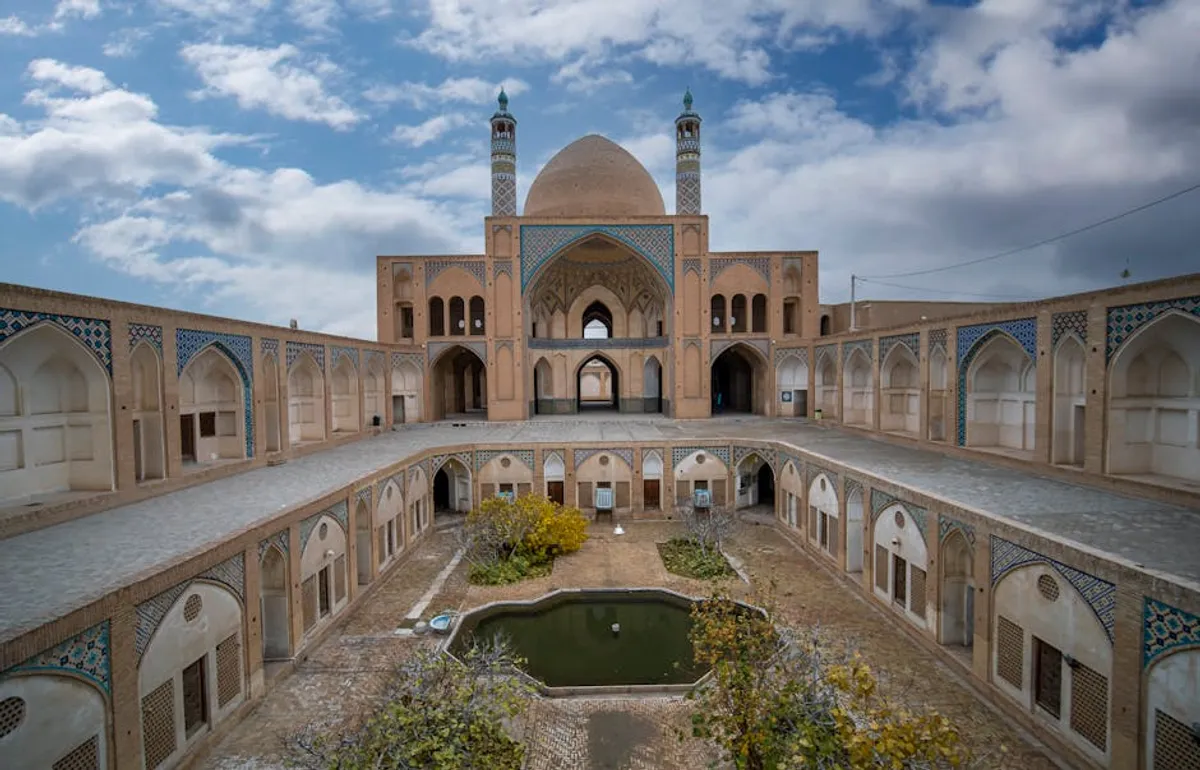
Visiting Iran offers a distinct travel experience, blending ancient history with vibrant contemporary culture. For prospective visitors, understanding the specific entry requirements, cultural nuances, and logistical considerations is crucial for a rewarding journey. This guide details the practical steps and cultural insights necessary to navigate Iran effectively, ensuring a well-prepared and respectful exploration of its diverse landscapes and heritage.
Navigating Visa and Entry Requirements
Securing the appropriate visa is the foundational step for travel to Iran. Most nationalities require a visa in advance, though specific conditions apply. The process typically involves an online application, submission of documents to an Iranian embassy or consulate, and an approval code from the Ministry of Foreign Affairs (MFA).
- Visa on Arrival (VOA): Available at international airports for citizens of certain countries, typically for stays up to 30 days. Eligibility criteria can change, so verifying current regulations with an Iranian embassy or consulate in your home country is essential before departure.
- Pre-arranged Visa: For most visitors, obtaining a visa before arrival is recommended. This involves applying through an accredited travel agency in Iran, which secures an MFA approval code. This code is then used to collect the visa from a designated Iranian embassy or consulate.
- Restricted Nationalities: Citizens of the United States, United Kingdom, and Canada typically require a pre-arranged visa and must travel with an authorized tour guide for the duration of their trip. Specific itineraries are often required as part of the visa application.
- Passport Validity: Your passport must be valid for at least six months beyond your intended departure date from Iran.
Best for: Travelers who prioritize certainty and wish to avoid potential delays or rejections at the border should opt for a pre-arranged visa.
Understanding Iranian Culture and Etiquette
Iran is a deeply traditional society with strong cultural and religious customs that visitors should respect. Adhering to local etiquette enhances the travel experience and demonstrates respect for the host culture.
Dress Code and Public Behavior
Strict dress codes apply in public for both men and women:
- Women: Must wear a headscarf (hijab) covering their hair and neck in public. Clothing should be loose-fitting, long-sleeved, and extend to mid-calf or ankle, concealing the body's contours. Bright colors are acceptable.
- Men: Should avoid shorts in public. Long trousers and shirts (short or long-sleeved) are standard.
- Public Displays of Affection: Avoid public displays of affection, as they are considered inappropriate.
Social Interactions and Hospitality
Iranian hospitality, known as Taarof, is a complex system of politeness and deference. While intricate, understanding its basics can facilitate smoother interactions.
Pro Tip: When offered something, such as tea or a gift, it is customary to politely decline once or twice before accepting, as the initial offer might be a form of Taarof. Similarly, if you offer something, expect it to be initially declined. Persistence, within reason, is key.
Greetings often involve a handshake with members of the same sex. For interactions between men and women, it is best to wait for the Iranian person to initiate a handshake or simply offer a verbal greeting with a slight bow.
Exploring Key Destinations and Experiences
Iran offers a wide array of attractions, from ancient archaeological sites to bustling bazaars and natural wonders.
Historical Sites and Ancient Cities
The country's rich history is evident in its numerous UNESCO World Heritage Sites:
- Persepolis: The ceremonial capital of the Achaemenid Empire, near Shiraz, offering monumental ruins.
- Isfahan: Known for its stunning Islamic architecture, including Naqsh-e Jahan Square, Imam Mosque, and Sheikh Lotfollah Mosque.
- Yazd: A desert city famed for its unique traditional architecture, Zoroastrian fire temples, and windcatchers.
- Shiraz: Home to the tombs of celebrated poets Hafez and Sa'adi, and the Nasir al-Mulk Mosque (Pink Mosque).
Natural Landscapes and Modern Cities
Beyond historical sites, Iran's geography provides diverse experiences:
- Tehran: The capital city, offering museums (National Museum of Iran, Treasury of National Jewels), palaces (Golestan Palace), and vibrant urban life.
- Kish Island: A free-trade zone in the Persian Gulf, popular for its beaches, shopping, and water sports.
- Alamut Castle: A mountain fortress with dramatic views, historically associated with the Assassins.
- Dasht-e Lut Desert: Features unique geological formations, including yardangs (kaluts).
Internal Travel and Logistics
Navigating Iran is generally straightforward, with several reliable transportation options.
- Domestic Flights: Connect major cities efficiently. Booking in advance, especially during peak seasons, is advisable.
- Buses: An extensive and affordable network of comfortable buses connects almost all cities and towns. VIP buses offer reclining seats and more amenities.
- Trains: Slower than buses but offer a comfortable way to travel between key cities like Tehran, Isfahan, and Mashhad.
- Shared Taxis (Savari): Common for inter-city travel over shorter distances. Agree on the fare before starting the journey.
- Ride-Hailing Apps: Snapp and Tapsi are widely used in major cities, offering convenient and affordable private transportation.
Culinary Journey Through Iran
Iranian cuisine is diverse, flavorful, and relies heavily on fresh ingredients, herbs, and spices.
- Staple Dishes: Kebabs (koobideh, jujeh), various stews (ghormeh sabzi, fesenjan), and rice dishes (chelow, polo) are ubiquitous.
- Local Delicacies: Try traditional sweets like baklava and gaz, or unique regional dishes such as Dizi (a lamb and chickpea stew).
- Beverages: Doogh (a savory yogurt drink), tea (chai) served black, and fresh fruit juices are popular. Alcohol consumption is prohibited.
Essential Travel Tips for Visitors
Practical considerations can significantly impact your travel experience.
- Currency: The official currency is the Iranian Rial (IRR), but prices are often quoted in Tomans (1 Toman = 10 Rials). International credit/debit cards do not work in Iran due to sanctions, so visitors must carry sufficient cash (USD or EUR) to exchange locally.
- Internet Access: Wi-Fi is available in most hotels and guesthouses. Purchasing a local SIM card (e.g., Irancell, MCI) upon arrival provides affordable mobile data, though access to some international social media platforms and news sites may be restricted. VPNs are commonly used.
- Safety: Iran is generally considered a safe country for tourists, with low crime rates. However, standard travel precautions should always be observed. Political demonstrations should be avoided.
- Photography: Be mindful when photographing people, especially women. Always ask for permission. Avoid photographing military or government installations.
- Public Holidays: Iran observes numerous religious and national holidays, which can affect business hours and transportation availability. Researching these in advance is advisable.
Preparing for Your Iranian Journey
A successful trip to Iran hinges on thorough preparation, cultural awareness, and an open mind. By understanding visa requirements, respecting local customs, and planning your itinerary with practical considerations in mind, visitors can fully appreciate Iran's profound history, stunning architecture, and the warmth of its people. Embrace the unique aspects of Iranian culture, from its intricate hospitality to its rich culinary traditions, to unlock an unforgettable travel experience.
Frequently Asked Questions
Is Iran safe for tourists?
Yes, Iran is generally considered safe for tourists, with low rates of violent crime. However, it is always advisable to stay informed about current events and exercise standard travel precautions.
What is the best time to visit Iran?
The spring (April-May) and autumn (September-November) months offer the most pleasant weather for exploring Iran, avoiding the extreme heat of summer and the cold of winter.
Can women travel alone in Iran?
Yes, women can travel alone in Iran. While cultural norms require women to adhere to the dress code, solo female travelers are generally welcomed and respected, though they may attract more attention.
What currency is used in Iran, and how do I handle money?
The official currency is the Iranian Rial (IRR), but prices are commonly quoted in Tomans (1 Toman = 10 Rials). International credit and debit cards are not accepted, so visitors must bring cash (USD or EUR) to exchange at official bureaus or banks.



