
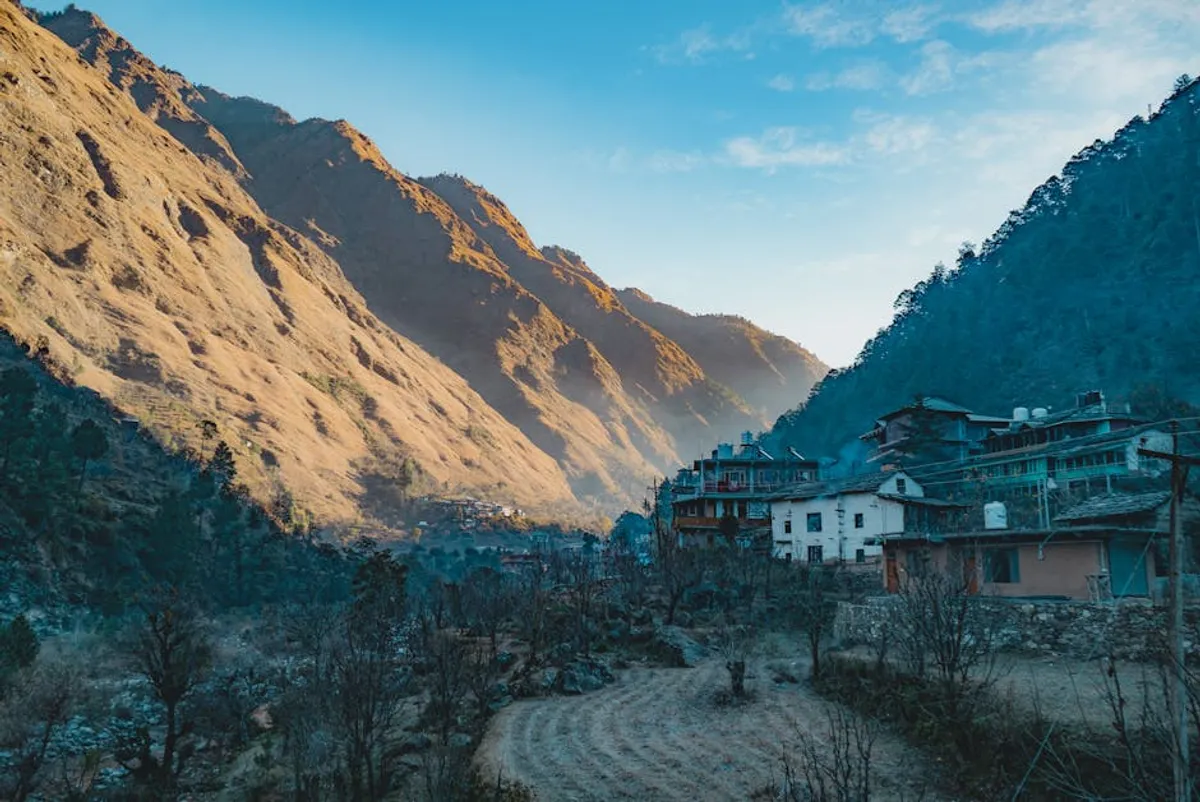
Jibhi, nestled in Himachal Pradesh's Tirthan Valley, presents a distinct alternative for travelers seeking tranquility beyond the typical crowded hill stations. This guide focuses on practical planning and specific insights for navigating Jibhi, ensuring visitors can effectively manage expectations and logistics for an authentic mountain experience. It moves past generic descriptions to detail actionable advice on activities, travel methods, and local considerations, allowing for informed decision-making before and during a trip.
Understanding Jibhi's Appeal
Jibhi distinguishes itself by offering a less commercialized environment compared to destinations like Manali or Shimla. Its appeal lies in its dense pine forests, traditional wooden houses, and the proximity to the Tirthan River, which maintains a consistent, serene flow. The village serves as a base for exploring the wider Banjar Valley, providing access to both natural landscapes and cultural sites without the pervasive tourist infrastructure found elsewhere.
Location and Accessibility
Jibhi is situated in the Banjar Valley, part of the Kullu district in Himachal Pradesh. The nearest major town is Aut, which acts as a gateway after exiting the Aut Tunnel on the Mandi-Manali National Highway. From Aut, Jibhi is approximately a 1.5 to 2-hour drive.
By Air: The closest airport is Kullu-Manali Airport (Bhuntar Airport), approximately 60 km away. From Bhuntar, taxis are available to Jibhi. Flight options to Bhuntar are limited, primarily from Delhi.
By Rail: The nearest major railway station is Ambala Cantt (UMB) or Chandigarh (CDG), both significant distances away (around 250-300 km). From these stations, travelers typically opt for overnight buses or hire private taxis to Aut or directly to Jibhi.
By Road: This is the most common mode of transport. Overnight Volvo buses operate from Delhi to Manali, stopping at Aut. From Aut, local buses or shared taxis are available for the onward journey to Jibhi. Direct buses from Delhi or Chandigarh to Banjar are also an option, with Jibhi being a short distance from Banjar.
Warning: Road conditions to Jibhi, especially during monsoon (July-August) or peak winter (December-February), can be challenging due to landslides or snow. Always verify current road status before travel and consider hiring local, experienced drivers for the final leg from Aut or Banjar, as they are familiar with the terrain.
Essential Things to Do in Jibhi
Activities in Jibhi focus on natural exploration and cultural interaction, suitable for those who appreciate quietude and outdoor engagement.
Nature and Adventure
- Jalori Pass: Located at an altitude of 10,800 feet, this mountain pass is a key attraction. It serves as a starting point for several treks.
- Serolsar Lake Trek: A moderate 5-6 km trek from Jalori Pass leads to Serolsar Lake, known for its clear waters and the surrounding forest. The trek offers panoramic views of the Himalayas.
- Raghupur Fort Trek: Another trek from Jalori Pass, leading to the ruins of Raghupur Fort, provides expansive 360-degree views of the valley.
- Jibhi Waterfall: A short, accessible walk from the main village leads to a picturesque waterfall, ideal for a relaxed afternoon.
- Riverside Walks and Trout Fishing: The Tirthan River flows through Jibhi, offering opportunities for leisurely walks along its banks. Trout fishing is possible with prior permits, which can be arranged through local guesthouses.
- Great Himalayan National Park (GHNP) Buffer Zone: Jibhi is close to the buffer zone of GHNP. While entry into the core zone requires permits and guides, the buffer areas offer birdwatching and nature trails.
Cultural Immersion and Relaxation
- Chehni Kothi: A 17th-century tower-temple built in the traditional Kath-Kuni architectural style. It requires a short hike from the village of Chehni, offering insight into local craftsmanship and history.
- Local Village Walks: Explore the surrounding villages to observe the traditional Himachali way of life, including the unique architecture and agricultural practices.
- Homestay Experiences: Many accommodations in Jibhi are homestays, providing an opportunity to interact with local families and experience authentic Himachali hospitality and cuisine.
- Cafes and Local Eateries: A growing number of small cafes offer a mix of local and continental food, often with riverside seating.
Practical Travel Tips for Jibhi
Effective planning enhances the Jibhi experience, particularly given its somewhat remote nature.
Best Time to Visit
- Spring/Summer (March-June): Pleasant weather, ideal for trekking and outdoor activities. Temperatures range from 10°C to 25°C.
- Monsoon (July-August): The valley is lush green, but heavy rainfall can lead to landslides and road closures. Limited outdoor activities.
- Autumn (September-November): Clear skies, comfortable temperatures (5°C to 20°C), and vibrant foliage. Excellent for photography and trekking.
- Winter (December-February): Cold, with chances of snowfall. Temperatures can drop below freezing. Ideal for those seeking a snowy retreat, but many trekking routes may be inaccessible.
Accommodation Options
Jibhi primarily offers guesthouses and homestays. Options range from basic rooms to more comfortable, well-appointed stays. Advance booking is advisable, especially during peak seasons (May-June, October-November, and around New Year).
Best for: Authentic local experience and budget-conscious travelers – Homestays.
Connectivity and Essentials
- Mobile Network: Jio and Airtel generally have better coverage in Jibhi, though connectivity can be intermittent in certain pockets. BSNL has limited reach.
- ATMs: Jibhi itself has limited or no ATM facilities. The nearest reliable ATMs are in Banjar, approximately 8 km away. It is crucial to carry sufficient cash.
- Medical Facilities: Basic medical aid is available in Banjar. For serious emergencies, the nearest hospital is in Kullu.
- Packing Essentials: Layers of clothing are recommended due to fluctuating mountain weather. Include rain gear, comfortable trekking shoes, a power bank for electronics, and basic first-aid supplies.
Sustainable Travel Practices
To preserve Jibhi's natural beauty and local culture, visitors should adhere to sustainable practices. This includes carrying back all non-biodegradable waste, avoiding plastic use, respecting local customs, and supporting local businesses directly.
Planning Your Jibhi Itinerary
A typical itinerary for Jibhi can span 3 to 4 days, allowing for a balanced mix of activity and relaxation.
- Day 1: Arrival and Local Exploration
Arrive in Jibhi, check into accommodation. Spend the afternoon exploring the village, visiting the Jibhi Waterfall, and walking along the Tirthan River. Evening can be spent at a local cafe. - Day 2: Jalori Pass and Trekking
Morning drive to Jalori Pass. Trek to Serolsar Lake (approx. 2-3 hours one way). Alternatively, trek to Raghupur Fort. Return to Jibhi by evening. - Day 3: Cultural Immersion and Leisure
Visit Chehni Kothi, exploring the traditional architecture. Spend the afternoon relaxing by the river, reading, or engaging in local interactions. Consider a short walk to a nearby village. - Day 4: Departure
Enjoy a final mountain breakfast before departing from Jibhi.
Making the Most of Your Jibhi Trip
Jibhi offers a particular type of retreat, emphasizing natural beauty and a slower pace. Success in leveraging this destination lies in embracing its quiet charm rather than seeking extensive commercial entertainment. Preparation is key, especially regarding transport logistics, cash availability, and understanding local conditions. By focusing on responsible tourism and engaging with the local environment and community, visitors can achieve a fulfilling and tranquil experience that differentiates Jibhi from more conventional tourist hubs.
Frequently Asked Questions
Is Jibhi suitable for families with young children?
Yes, Jibhi can be suitable for families, especially those who enjoy nature and light outdoor activities. However, some treks might be too strenuous for very young children, and medical facilities are basic. Plan activities accordingly and ensure children are prepared for mountain travel.
What kind of food can I expect in Jibhi?
Local Himachali cuisine, including dishes like siddu, rajma chawal, and various vegetable preparations, is readily available, especially in homestays. Many cafes also offer Indian, Continental, and Israeli food options, catering to diverse preferences.
Is it safe to travel solo to Jibhi?
Jibhi is generally considered safe for solo travelers. The local community is welcoming, and crime rates are low. However, standard precautions for solo travel, such as informing someone of your itinerary and avoiding isolated areas after dark, are always advisable.
Are there ATMs or reliable internet in Jibhi?
Reliable ATMs are scarce in Jibhi itself; the nearest ones are in Banjar. It is essential to carry enough cash. While some guesthouses offer Wi-Fi, and Jio/Airtel provide decent mobile data coverage, internet connectivity can be inconsistent, making it unsuitable for heavy reliance.



