
Understanding the rich tapestry of Persian festivals and cultural dates offers a strategic advantage for marketers, content creators, and businesses aiming to connect with audiences of Iranian heritage or those interested in global cultural phenomena. These dates are not merely historical markers; they represent deeply ingrained traditions, values, and community celebrations that influence consumer behavior, media consumption, and social engagement. For professionals, recognizing the timing and significance of events like Nowruz or Shab-e Yalda allows for more authentic, timely, and impactful communication, moving beyond generic outreach to culturally resonant messaging. This detailed explanation provides the necessary context to integrate these cultural insights into effective content strategies and marketing calendars. This knowledge is invaluable when selecting relevant community event topics for Persian news sites.
Understanding the Solar Hijri Calendar
The foundation for most Persian festivals is the Solar Hijri calendar, also known as the Jalali calendar. This is the official calendar of Iran and Afghanistan, and it is a solar calendar, meaning its dates are based on the Earth's annual revolution around the Sun. Unlike the Gregorian calendar, which uses a fixed start date (January 1st), the Solar Hijri year begins precisely at the vernal equinox, marking the arrival of spring in the Northern Hemisphere. This astronomical alignment ensures that Nowruz, the Persian New Year, always falls on or around March 20th or 21st in the Gregorian calendar. The precision of the Solar Hijri calendar, determined by astronomical observation rather than mathematical rules, results in fewer leap year adjustments compared to other systems. This fixed astronomical anchor for the new year is a critical distinction for planning and cultural accuracy. Understanding this calendar is fundamental for anyone creating a comprehensive Persian media guide covering culture.
Major Persian Festivals and Their Significance
Several key festivals punctuate the Solar Hijri year, each carrying distinct cultural weight and offering unique opportunities for engagement. These celebrations are deeply rooted in ancient Zoroastrian traditions, emphasizing nature, light, and renewal.
Nowruz: The Spring Equinox
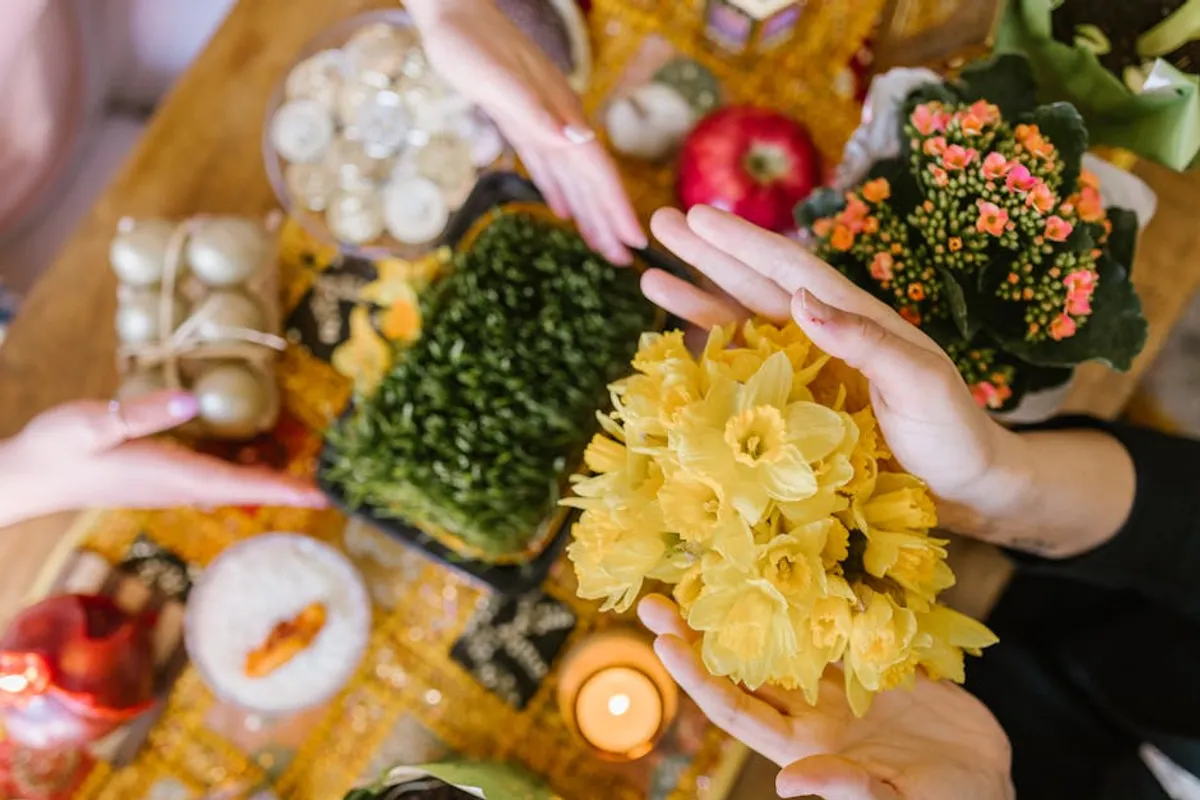
Nowruz, meaning "New Day," is the most significant and widely celebrated Persian festival. It marks the vernal equinox and the beginning of spring, symbolizing rebirth and renewal. The celebrations typically last 13 days, beginning with extensive spring cleaning (Khaneh Tekani) and culminating in Sizdah Bedar. Central to Nowruz is the Haft-Seen table, an arrangement of seven symbolic items starting with the letter 'S' in Persian, each representing a wish for the new year such as health, prosperity, and fertility. Understanding the symbolism of these items—sabzeh (sprouted lentils for rebirth), samanu (sweet pudding for affluence), senjed (dried oleaster fruit for love), sir (garlic for health), sib (apples for beauty), somaq (sumac for sunrise), and serkeh (vinegar for age and patience)—is crucial for any culturally sensitive content creation during this period. The period leading up to and during Nowruz sees increased family gatherings, travel, and gift-giving, making it a peak time for consumer activity in relevant demographics.
Chaharshanbe Suri: Fire Jumping Festival
Chaharshanbe Suri, or "Red Wednesday," is celebrated on the last Tuesday evening before Nowruz. It involves jumping over bonfires, a symbolic act of purification and shedding illness or misfortune from the past year. Participants traditionally chant "Zardi-ye man az to, sorkhi-ye to az man," meaning "My yellow is yours, your red is mine," exchanging their paleness (illness) for the fire's warmth and energy. This festival is characterized by communal gatherings, fireworks, and traditional snacks, representing a vibrant prelude to the New Year. For content creators, this offers a visual and energetic theme around transformation, community, and fresh starts.
Pro Tip: When referencing Persian cultural dates in marketing or content, always prioritize authenticity and respect. Avoid superficial appropriation or misrepresentation of symbols. Instead, focus on educational content, highlighting shared values like renewal, family, and community, which resonate broadly while still honoring specific cultural contexts. Consult native speakers or cultural experts to ensure accuracy in messaging and imagery.
Sizdah Bedar: Nature's Day
Sizdah Bedar, meaning "Thirteenth Outdoors," occurs on the 13th day of Nowruz. It is a day dedicated to nature, where families and friends traditionally spend the entire day outdoors, picnicking in parks or natural settings. The sabzeh from the Haft-Seen table is typically discarded into flowing water on this day, symbolizing the return of nature's growth to its source and the release of any negative energies. This festival underscores a deep connection to the environment and community bonding, themes that can be effectively integrated into sustainability campaigns or family-oriented content.
Shab-e Yalda: Winter Solstice Celebration
Shab-e Yalda, or "Yalda Night," marks the longest night of the year, the winter solstice. Families gather to celebrate the triumph of light over darkness, typically by reading poetry (especially Hafez), telling stories, and eating seasonal fruits like watermelon and pomegranates, which symbolize the red glow of dawn and the cycle of life. This celebration, usually falling around December 20th or 21st, offers a powerful narrative around light, warmth, family, and endurance during the darkest times. It can be a compelling theme for seasonal campaigns focusing on togetherness and hope.
Commercial Applications of Cultural Date Awareness
Integrating an understanding of Persian festivals into commercial strategies can yield significant benefits by fostering deeper connections with specific demographics and demonstrating cultural intelligence.
- Content Strategy and Thematic Planning: Aligning content calendars with major festivals allows for the creation of timely and relevant material. For example, pre-Nowruz content can focus on themes of renewal, cleaning, or new beginnings. Yalda Night offers opportunities for narratives around warmth, family, and storytelling.
- Targeted Marketing Campaigns: Brands can launch culturally sensitive campaigns that acknowledge and celebrate these dates. This moves beyond generic holiday promotions to specific messages that resonate with the cultural values associated with each festival, enhancing brand loyalty and engagement among relevant audiences.
- Building Cultural Resonance: By demonstrating an understanding and appreciation for Persian culture, businesses can build trust and credibility. This is particularly valuable for brands operating in multicultural markets or those seeking to expand into regions with significant Iranian diaspora populations. It signals respect and an effort to connect on a deeper, more personal level.
Navigating Calendar Variations and Observances
While the Solar Hijri calendar provides a fixed framework, minor variations in observance can occur due to regional traditions or the exact moment of the vernal equinox. For global campaigns, it is prudent to consider the specific Gregorian date conversions for each year, as Nowruz can shift between March 20th and 21st. Additionally, while the core festivals are widely observed, the intensity and specific customs may vary across different communities and countries where Persian culture is celebrated. Always cross-reference dates and local customs for precision in planning.
Practical Steps for Cultural Engagement
To effectively leverage an understanding of Persian festivals, consider these actionable steps:
- Research Specific Dates Annually: Verify the exact Gregorian dates for Nowruz and other equinox/solstice-based festivals each year, as they can fluctuate by a day.
- Consult Cultural Experts: For significant campaigns, engage with individuals who have deep knowledge of Persian culture to review messaging, imagery, and overall approach.
- Focus on Universal Themes: While specific cultural elements are important, emphasizing universal themes like family, renewal, gratitude, and hope can broaden appeal without diluting authenticity.
- Plan Ahead for Lead Times: Major festivals like Nowruz involve extensive preparations and travel, meaning audience attention and purchasing patterns shift well in advance. Plan content and campaigns accordingly.
Integrating Cultural Understanding into Your Strategy
A nuanced understanding of Persian festivals and cultural dates is an asset for any professional aiming for authentic global engagement. It moves beyond superficial acknowledgment to a deeper appreciation of cultural values, providing a foundation for more effective communication, stronger community ties, and ultimately, more successful commercial outcomes. By embracing these rich traditions, businesses and content creators can build bridges that resonate with diverse audiences and foster genuine connection.
Frequently Asked Questions
What is the primary calendar used for Persian festivals?
The primary calendar is the Solar Hijri calendar, which is an astronomical solar calendar that begins precisely at the vernal equinox each year.
How does Nowruz differ from the Western New Year?
Nowruz is the Persian New Year, celebrated at the spring equinox (around March 20-21), symbolizing rebirth and renewal, while the Western New Year (January 1st) is based on the Gregorian calendar and does not align with a natural astronomical event.
Are all Persian festivals religious?
While many Persian festivals, like Nowruz, have ancient Zoroastrian roots, they are largely cultural celebrations today, observed by people of various faiths and secular backgrounds as national or cultural holidays.
Why is understanding these dates important for global marketing?
Understanding these dates is crucial for global marketing because it enables culturally sensitive communication, allows for timely and relevant content creation, and helps build authentic connections with audiences of Persian heritage, enhancing brand loyalty and engagement.



