
Qeshm Island, situated in the Persian Gulf, offers a distinct travel experience for those seeking a blend of authentic culture, unique natural landscapes, and genuine local interactions. Unlike more conventional tourist destinations, Qeshm presents an opportunity to engage with a UNESCO Global Geopark alongside a vibrant island community. This guide provides an in-depth look at what to expect, focusing on practical insights to help travelers navigate its cultural nuances and natural wonders effectively. This guide provides an in-depth look at what to expect, focusing on practical insights to help travelers navigate its cultural nuances and natural wonders effectively, covering many local travel and tourism topics relevant to Iranian readers.
Exploring Qeshm's Cultural Heritage
Qeshm's cultural fabric is deeply rooted in its maritime history and the traditions of its indigenous communities. The island's strategic location has fostered a unique blend of influences, evident in its architecture, crafts, and daily life.
Traditional Villages and Livelihoods
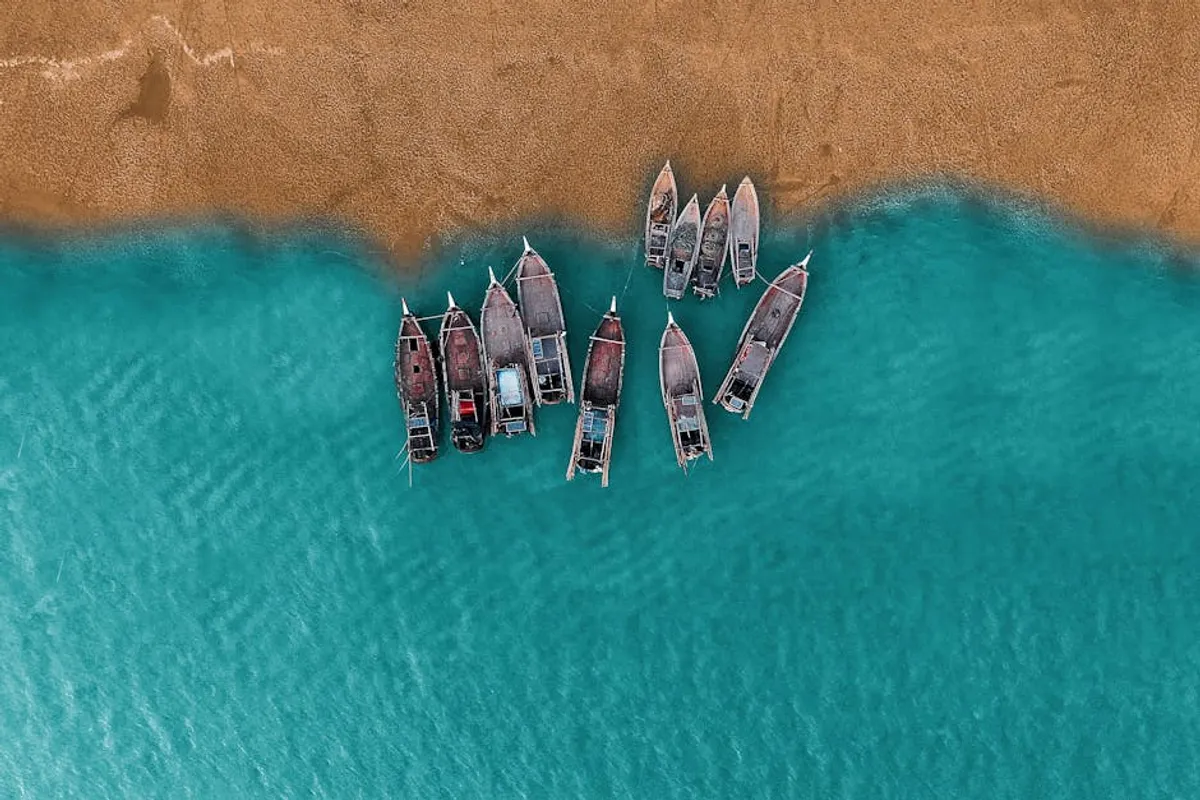
Venturing into Qeshm's villages offers direct insight into the islanders' way of life. Laft village, with its distinctive windcatchers (Badgirs) and traditional dhow-building yards, serves as a living museum of Persian Gulf architecture and seafaring heritage. Shibderaz village is another notable stop, particularly for its focus on sea turtle conservation efforts, providing a glimpse into environmental stewardship intertwined with local livelihoods. These communities often maintain traditional fishing, pearl diving, and boat-building practices, which are central to their economy and cultural identity.
Local Crafts and Markets
The island's markets, particularly the Old Bazaar in Qeshm City, are hubs for local commerce and craftsmanship. Here, visitors can find handmade items reflecting the island's heritage. Common crafts include intricate pottery, woven textiles, traditional clothing (such as the distinctive Borka masks worn by women), and items crafted from local shells and marine resources. The fish markets, bustling with the day's catch, offer a sensory experience and a direct connection to the island's primary food source. Engaging with local artisans and vendors provides opportunities to understand the stories behind their products and the techniques passed down through generations.
Culinary Traditions
Qeshm's cuisine is heavily influenced by its coastal environment, featuring a rich array of seafood. Fresh fish, shrimp, and other marine delicacies are prepared using local spices and methods, often with Indian and African culinary undertones due to historical trade routes. Popular dishes include grilled fish, "Ghalyeh Mahi" (fish stew), and various rice dishes flavored with saffron and local herbs. Street food stalls and small local eateries often provide the most authentic culinary experiences, allowing visitors to taste traditional flavors in an informal setting.
Best for: Authentic local flavors and fresh seafood.
Pro Tip: When dining in local eateries, especially in smaller villages, it's customary to inquire about the day's fresh catch. Many establishments pride themselves on serving seafood caught just hours before, ensuring optimal flavor and supporting local fishermen directly. Be prepared for cash-only transactions in many of these smaller, traditional venues.
Discovering Qeshm's Natural Wonders
Qeshm is globally recognized for its unique geological formations and diverse ecosystems, designated as the first UNESCO Global Geopark in the Middle East.
Geopark Highlights
The Geopark encompasses a range of striking natural sites:
- Chahkooh Canyon: Known for its deeply eroded sedimentary rock formations, sculpted by wind and water into intricate patterns. The canyon offers a dramatic landscape for exploration and photography.
- Star Valley (Darreh-ye Setaregan): A landscape of bizarrely shaped rock pillars and formations, folklore attributes their creation to a fallen star. It's particularly atmospheric at sunrise or sunset.
- Hara Forests (Mangrove Forests): A unique ecosystem where Avicennia marina trees thrive in saltwater, visible during low tide and submerged during high tide. These forests are crucial breeding grounds for various marine species and migratory birds.
- Salt Cave (Namakdan Cave): One of the world's longest salt caves, featuring stunning salt stalactites and stalagmites. The cave's unique environment is believed to have therapeutic properties.
These sites provide opportunities for hiking, boat tours, and environmental education, showcasing the island's geological and ecological significance.
Wildlife and Marine Life
Qeshm's diverse habitats support a variety of wildlife. The Hara Forests are a haven for migratory birds, including herons, egrets, and flamingos. The island's coastal waters are home to several species of dolphins, which can often be spotted on boat tours. Shibderaz beach is a vital nesting site for Hawksbill sea turtles, particularly between March and May, offering a chance to witness conservation efforts firsthand. Responsible wildlife viewing practices are encouraged to minimize disturbance to these sensitive populations.
Beaches and Coastal Activities
While not primarily a beach resort destination, Qeshm offers several tranquil coastal areas. Naz Islands, accessible by foot at low tide, provide panoramic views and a unique tidal experience. Silver Beach (Sahara-ye Naqareh) is known for its shimmering sand and clear waters. Activities include swimming, sunbathing, and exploring tide pools. Some areas offer opportunities for snorkeling, particularly around coral patches, though infrastructure for water sports is generally limited compared to more developed tourist hubs.
Navigating Qeshm Like a Local
To maximize a visit to Qeshm, understanding practical aspects and local customs is essential.
Best Time to Visit and Getting Around
The optimal time to visit Qeshm is during the cooler months, from late autumn to early spring (October to April), when temperatures are more moderate. Summers can be extremely hot and humid. Getting around the island typically involves renting a car with a driver, hiring taxis, or using local shared taxis (savari) for inter-village travel. While public transport is limited, organized tours are available for visiting major Geopark sites. For those comfortable with driving, car rental agencies operate in Qeshm City.
Accommodation and Dining Recommendations
Accommodation options range from budget guesthouses and traditional eco-lodges (often managed by local families) to a few mid-range hotels in Qeshm City. Eco-lodges provide an immersive cultural experience, often including home-cooked meals. Dining is predominantly in local restaurants and eateries, with a focus on fresh seafood and traditional Persian Gulf dishes. Vegetarian options may be limited outside of larger establishments.
Consider: Booking eco-lodges in advance, especially during peak season, for an authentic stay.
Respecting Local Customs
Qeshm is a conservative island, and respecting local customs is paramount. Modest dress is expected for both men and women, particularly outside of hotel premises. Women should carry a headscarf for use when visiting religious sites or in more traditional areas. Public displays of affection are discouraged. Learning a few basic Farsi phrases, such as greetings and thank yous, can significantly enhance interactions with locals and demonstrate respect for their culture. Learning a few basic Farsi phrases, such as greetings and thank yous, can significantly enhance interactions with locals and demonstrate respect for their culture, offering insights into local cultural nuances and community updates.
Planning Your Qeshm Exploration
Qeshm offers a truly distinct travel experience, blending geological marvels with a rich, living culture. Its appeal lies in its authenticity and the opportunity for deep engagement with both nature and local communities. By focusing on responsible tourism, respecting local traditions, and embracing the island's unique pace, travelers can uncover the profound beauty and character that define this remarkable destination. Prepare for an adventure that moves beyond typical tourist itineraries, offering genuine insights into a corner of the world where tradition and nature coexist.
Frequently Asked Questions
Is Qeshm Island safe for tourists?
Qeshm is generally considered a safe destination for tourists, with low crime rates. Adhering to local customs and exercising standard travel precautions is always advisable.
Do I need a visa to visit Qeshm?
Many nationalities can obtain a visa on arrival at Qeshm International Airport, valid for up to 14 days. It is crucial to verify current visa requirements with the nearest Iranian embassy or consulate before travel, as policies can change.
What currency is used in Qeshm?
The local currency is the Iranian Rial (IRR). While some larger establishments might accept international credit cards, cash is predominantly used, especially in smaller shops, markets, and rural areas. It is advisable to carry sufficient cash.
Are there English speakers in Qeshm?
While English may be spoken by staff in larger hotels and some tourist-oriented businesses, it is not widely spoken by the general population. Learning a few basic Farsi phrases or using translation apps can be very helpful for communication.



